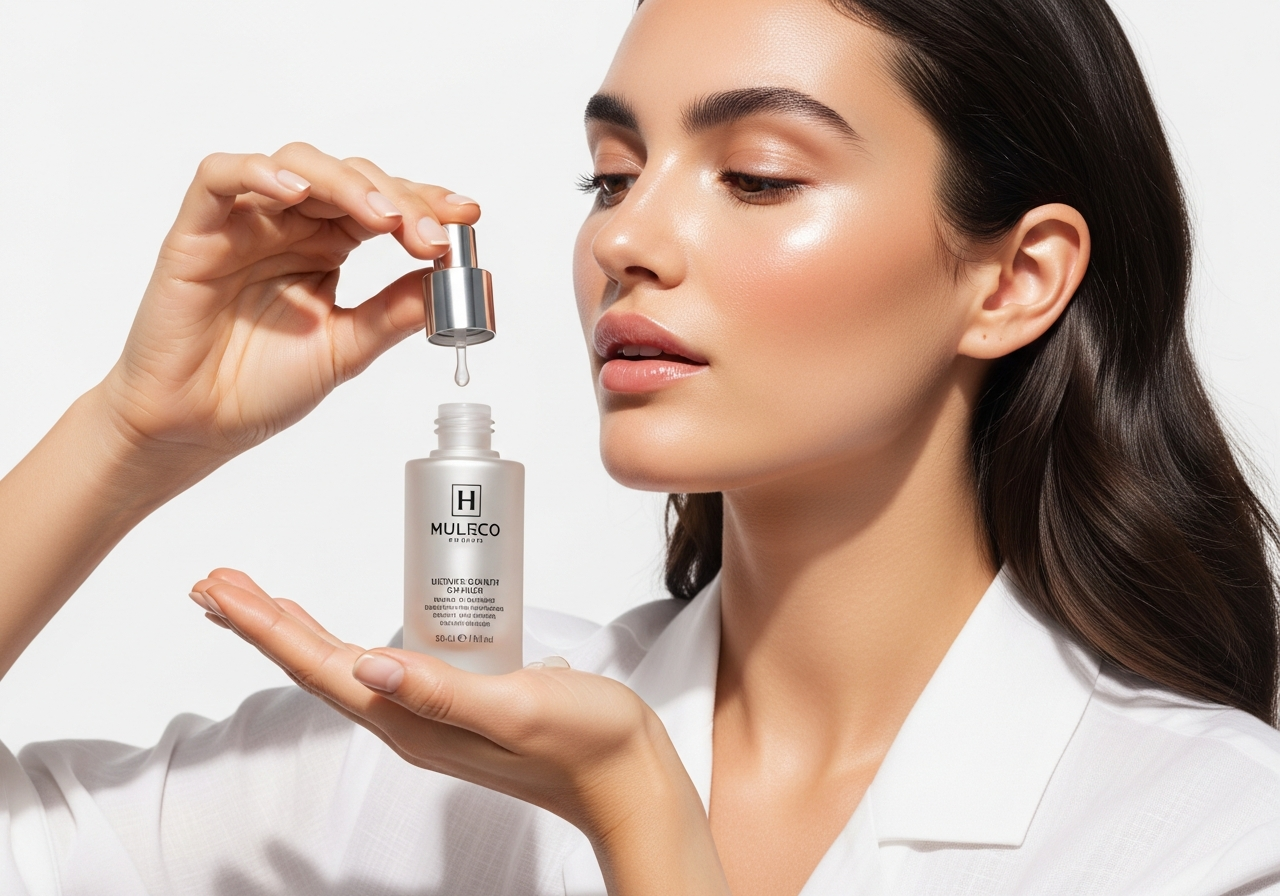

Why Clinical-Grade Actives Matter for Your Brand
The phrase "clinical-grade" in skincare generally refers to active ingredients used at concentrations and in delivery systems designed to make meaningful contact with the skin — as opposed to trace amounts included primarily for label appeal.
Several actives are well-supported by cosmetic science research: retinol (a form of vitamin A) has decades of published study behind it; niacinamide (vitamin B3) has a broad evidence base for addressing uneven tone and barrier support; L-ascorbic acid (vitamin C) is widely studied for its antioxidant properties; hyaluronic acid is established for surface hydration; and alpha-hydroxy acids (AHAs) have documented use in skin texture refinement.
Concentration alone, however, does not determine how a product performs. Formulation factors — including pH, ingredient compatibility, stabilization, and the delivery vehicle — determine whether an active survives manufacturing, maintains potency on the shelf, and actually penetrates the skin rather than sitting on its surface.
This is why the quality of manufacturing and formulation expertise matters as much as ingredient sourcing. A well-chosen active in a poorly built formula may deliver little benefit at all.
This article is intended for educational and informational purposes only and does not constitute medical advice. Consult a qualified professional for guidance specific to your needs.